

Mastering the Palette: Exploring the Art of Color Theory !!
Jignesh Patel – June 2023
Introduction:
Color is the silent language of art, capable of evoking emotions, setting moods, and transforming a blank canvas into a vibrant masterpiece. Understanding the principles of color theory is like unlocking the secrets of this language, allowing artists to create visually captivating and harmonious compositions. In this blog, we delve into the fascinating realm of color theory, exploring its foundations, applications, and the profound impact it has on artistic expression.
1. **The Basics of Color Theory:**
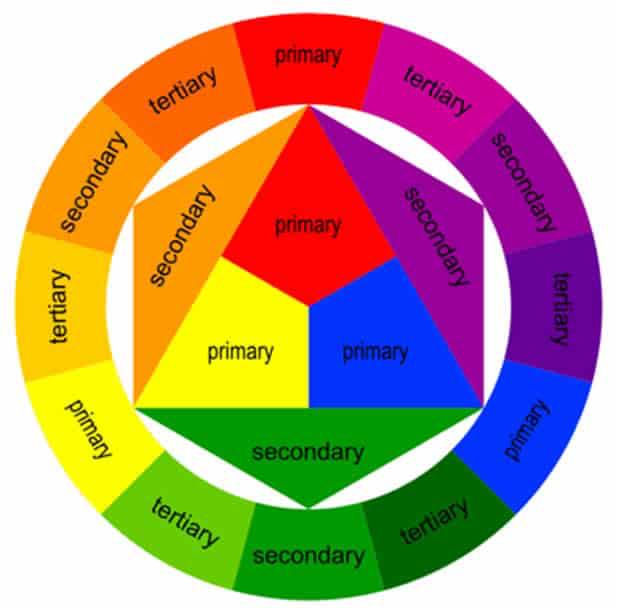
At the core of color theory are three primary hues – red, blue, and yellow – which form the foundation of the color wheel. From this trio, secondary and tertiary colors emerge, creating a spectrum that provides a comprehensive understanding of color relationships. Complementary, analogous, and triadic color schemes are fundamental concepts that guide artists in combining colors for maximum visual impact.
2. **Emotional Resonance of Colors:**
Colors possess the extraordinary ability to convey emotions and provoke responses. Red may evoke passion and energy, while blue instills calm and serenity. Artists leverage this emotional resonance to communicate nuanced messages within their work. Exploring the psychological impact of colors allows for intentional and meaningful artistic expression.
3. **Color Harmonies and Compositions:**
Achieving harmony in an artwork involves skillful manipulation of color relationships. Monochromatic, analogous, and complementary color harmonies offer diverse options for artists seeking balance and unity in their compositions. Understanding how colors interact enables artists to evoke specific moods or draw attention to focal points within their artwork.
4. **The Role of Color Temperature:**
Color theory extends to the concept of temperature, categorizing colors as warm or cool. Warm hues, such as reds and yellows, convey energy and vibrancy, while cool tones, like blues and greens, evoke a sense of calm and tranquility. Mastering the interplay between warm and cool colors enhances an artist’s ability to convey atmosphere and depth.
5. **Practical Applications in Art:**
From the classic works of the Renaissance to contemporary masterpieces, color theory has been a guiding force in art throughout history. Artists use color to create emphasis, guide the viewer’s eye, and establish mood. Whether in painting, graphic design, or digital art, a solid grasp of color theory empowers artists to make intentional and informed choices in their creative process.
Conclusion:
Color theory is not merely a set of rules but a dynamic language that allows artists to speak to the viewer’s emotions and perceptions. Mastering the art of color theory opens doors to endless possibilities for creative expression, enabling artists to craft visually compelling narratives that resonate with audiences on a profound level. As you embark on your artistic journey, remember that the palette is your canvas, and color theory is the brush that brings your imagination to life.