

The Myth of the Moody Artist !!
Jignesh Patel – January 2024
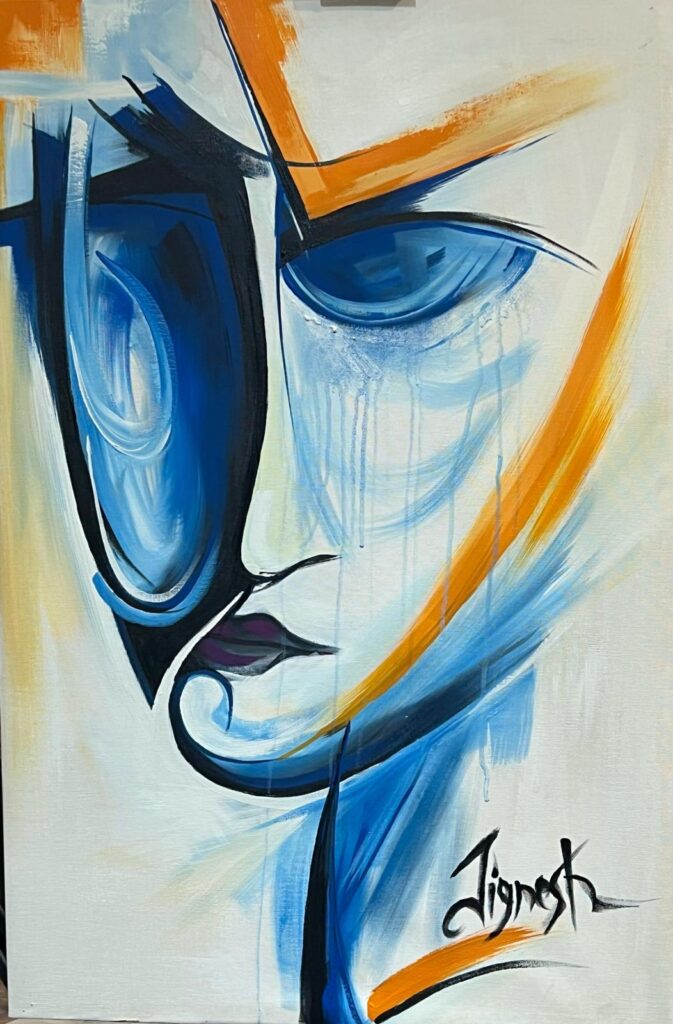
The stereotype of the moody, antisocial artist has roots in the Romantic period’s idea of the “tortured genius.” This concept suggests that great art comes from great suffering, leading to a belief that artists are more prone to mood swings and social withdrawal. Psychological studies have indeed found correlations between creativity and certain mood disorders, but this is not a universal rule. Many artists are very social and well-adjusted individuals. The myth persists, however, influencing both public perception and how artists view themselves.
### Creativity and Neurodiversity
Creativity often requires seeing the world differently, leading to the notion that artists are “different” from others. This difference can be a source of innovation and beauty, as artists challenge societal norms and push boundaries. Neurodiversity, including traits associated with autism spectrum disorders or ADHD, can contribute to unique perspectives and artistic talents. However, being “different” in this way doesn’t inherently make someone antisocial or moody; it simply reflects a diverse way of interacting with the world.
### Emotional Intensity and Artistic Expression
Artists often channel deep emotions into their work, leading to a stereotype that they are more emotionally volatile or sensitive than others. While emotional intensity can contribute to powerful art, it’s a misconception to believe that all artists are governed by their emotions in all aspects of their lives. Many artists find balance through their work, using their art to process and express emotions in a healthy way.
### Flirtation and Romantic Ideals
The stereotype of artists as flirty or hard to love may stem from the romanticization of artists’ lifestyles in popular culture.
Artists often explore themes of love, passion, and human connection, leading to a perception of them as more openly flirtatious or promiscuous. However, artists, like anyone else, have a range of attitudes toward relationships and intimacy. The idea that they are harder to love is more reflective of societal stereotypes than an inherent truth about artists.
### Conclusion
While there’s a grain of truth to some stereotypes about artists, it’s crucial to approach these ideas with nuance. Artists, like any group, are diverse in their personalities, social skills, and approaches to relationships. The stereotypes of artists as antisocial, moody, and different can be limiting and fail to appreciate the full range of human experiences within the artistic community. Similarly, seeing artists as inherently flirty or difficult to love overlooks the depth and variety of artists’ emotional lives and relationships. Ultimately, understanding artists means looking beyond stereotypes and appreciating the individuality and humanity of each creative person.
In the bustling heart of London, Jignesh Patel, a distinguished artist and Guinness World Record holder, has spent the last three decades creating a canvas of transformation through the therapeutic power of art. As a world-renowned artist and dedicated art teacher, Patel’s journey has touched the lives of over 1000 students spanning diverse age groups, leaving an indelible mark on the local community.
For Patel, art is not merely a visual spectacle; it is a medium through which he channels the healing energies that can uplift and rejuvenate the human spirit. His passion for art therapy has manifested in the form of immersive workshops and classes, where individuals of all ages discover the therapeutic benefits of self-expression.
Through the strokes of his brush, Patel has cultivated a nurturing environment, fostering creativity and resilience. His art classes become sanctuaries where individuals, irrespective of age, background, or skill level, find solace, joy, and a means to cope with life’s challenges. From young aspiring artists to seasoned enthusiasts, Patel’s teachings transcend the canvas, imparting life lessons that extend far beyond the studio.
As a Guinness World Record holder, Patel has not only showcased his exceptional artistic talent but has also used this platform to shine a spotlight on the profound impact art can have on communities. His record-breaking achievements are not just accolades; they serve as beacons of inspiration, encouraging others to explore the therapeutic potential within the realm of art.
Beyond the studio walls, Patel’s commitment to uplifting the local community is evident in the myriad community projects he undertakes. From public art installations to collaborative murals, his work extends beyond the canvas, weaving a tapestry of unity and connection among community members.
What sets Patel apart is not only his dedication to art therapy but also his commitment to inspiring others globally through monumental murals. His landmark murals, scattered around the world, stand as testaments to the universal language of art. Through these awe-inspiring creations, Patel invites people to experience the transformative power of art in public spaces, sparking conversations, fostering a sense of belonging, and inspiring change.
Jignesh Patel’s 30-year journey as an artist and art teacher stands as a testament to the profound impact art can have on the human experience. His legacy is not just painted on canvases but is etched into the hearts and minds of those who have had the privilege of being part of his artistic journey—a journey that continues to inspire, heal, and transform lives and landscapes alike.