

The Art of layering in water color Painting !
Jignesh Patel – May 2024
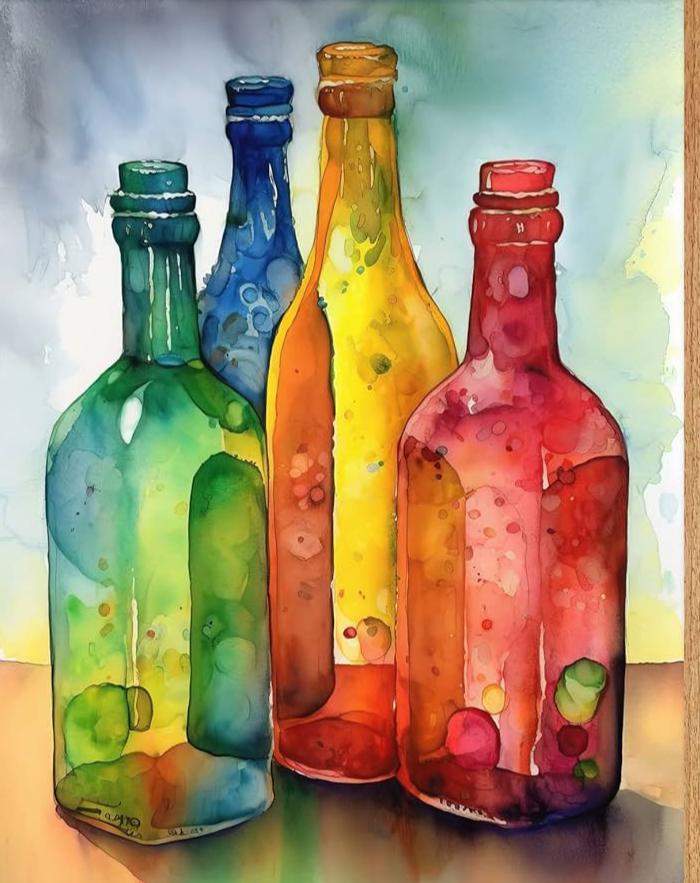
Watercolour painting, a revered medium known for its transparency and fluidity, offers artists a unique avenue for expression. Central to mastering this art form is the technique of layering, which involves applying multiple layers of paint to build depth, detail, and richness in the artwork. This blog explores why layering is not just beneficial but essential in watercolour painting.
#### 1. **Depth and Dimensionality**
Layering is the backbone of creating depth in watercolour paintings. By applying thin washes of colour one over the other, artists can achieve a range of tonal values and complexities. Each layer subtly interacts with the one below, allowing for the emergence of rich, complex colours that are not achievable through a single application. This method mimics the way light filters through natural objects, enhancing the three-dimensional feel of the painted subjects.
#### 2. **Enhanced Textural Effects**
Watercolour is ideal for exploring various textural effects, which layering facilitates beautifully. Techniques like dry brushing or lifting colour can be employed on top of dried layers to introduce textures that mimic the roughness of tree bark, the softness of clouds, or the crispness of rustling leaves. The interaction between wet and dry layers can also produce intriguing effects that add realism or abstract qualities to the painting.
#### 3. **Gradual Colour Building**
One of the unique challenges and beauties of watercolour is the delicate balance it requires in colour mixing. Layering allows for a gradual building up of colour intensity and hue complexity. It provides the artist with control over the vibrancy of the painting, enabling a gentle gradation from light to dark and creating a luminous effect that is characteristic of watercolours.
#### 4. **Control Over Edges**
In watercolour painting, the control of edges—how soft or hard they appear—is crucial. Layering helps in softening edges or defining them more clearly as needed. Soft edges can be created by painting on a wet surface, while adding a layer with a dry brush technique can sharpen them. This flexibility is vital for depicting various textures and forms in nature.
#### 5. **Correction and Adjustment**
The forgiving nature of watercolour through layering is often overlooked. Although watercolour is generally considered a challenging medium due to its fluidity and transparency, layering provides a chance to correct and refine previous layers. Artists can adjust colours, enhance shadows, and tweak details as new layers can partially or fully obscure what lies beneath, offering opportunities to correct course as the painting progresses.
#### 6. **Increased Permanence**
Layering can also contribute to the longevity of watercolour paintings. By building up a series of thin, bonded layers, the painting is less likely to suffer from fading due to environmental factors compared to a single, thicker layer of paint. Each layer, when properly applied, helps secure the pigments in place, enhancing the painting’s durability.
#### Conclusion
Layering in watercolour painting is a testament to the phrase “patience is a virtue.” It demands precision, foresight, and a deep understanding of the medium’s properties. For artists, mastering layering is akin to mastering the medium itself, as it unlocks the full potential of watercolour paints, transforming simple washes into vivid landscapes, detailed portraits, and dynamic scenes. Whether you’re a beginner or an advanced painter, embracing the art of layering will undoubtedly elevate your watercolour techniques, bringing depth, realism, and emotion to your canvas.