

The Therapeutic Canvas: Exploring the Healing Power of Abstract Art !!
Jignesh Patel – March 2024
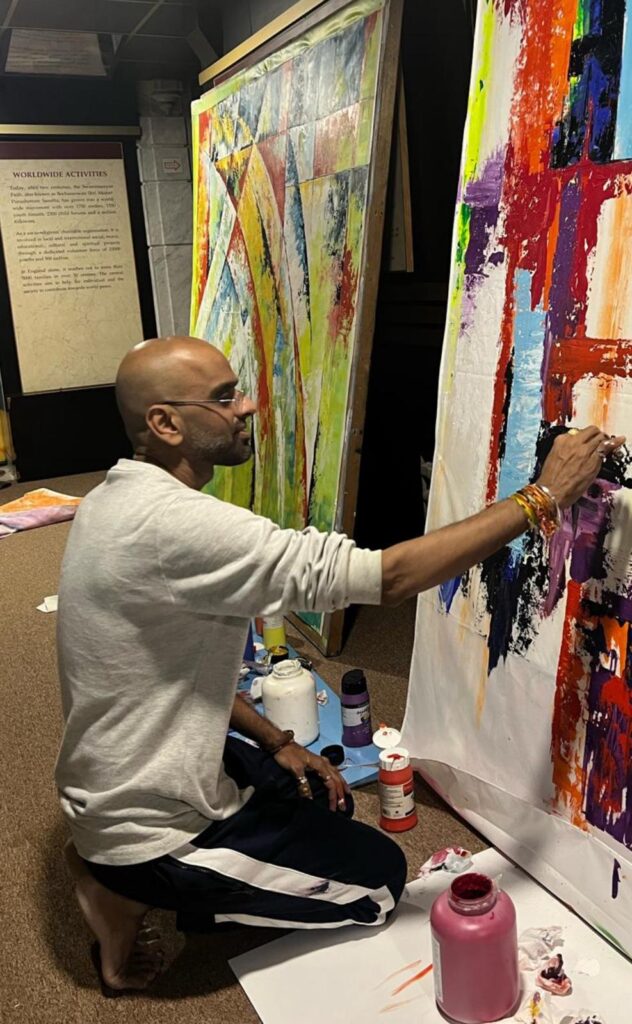
In the realm of artistic expression, abstract art stands out as a captivating and therapeutic form that transcends conventional boundaries. This unique genre, characterized by its non-representational and subjective nature, has gained prominence not only for its visual allure but also for its profound therapeutic benefits. Let’s delve into the world of abstract art and explore why it has become a favored avenue for creative healing.
Abstract art invites viewers to embark on a personal and subjective journey, unshackling them from the constraints of concrete representation. The freedom to interpret and connect with a piece on an emotional level fosters a therapeutic experience. As viewers engage with the enigmatic shapes, colors, and textures, they are encouraged to explore their own thoughts and emotions, creating a cathartic process that goes beyond the literal.
One of the key therapeutic aspects of abstract art lies in its ability to evoke emotions without the need for a clear narrative. The ambiguity of abstract compositions allows individuals to project their own feelings and experiences onto the canvas, offering a powerful means of self-reflection. Whether it’s the bold strokes of a vibrant painting or the subtle interplay of hues in a delicate piece, abstract art provides a mirror for introspection.
Moreover, the process of creating abstract art can be an intensely therapeutic practice. Artists often find solace in the spontaneity of their brushstrokes, embracing the unpredictability of the creative journey. The act of surrendering control and allowing the subconscious to guide the artistic process can be immensely liberating, serving as a release for pent-up emotions and stress.
For those engaging in the creation of abstract art, the emphasis shifts from technical precision to emotional expression. This departure from representational accuracy encourages a more intuitive and instinctive approach, fostering a deeper connection between the artist and the artwork. The result is a profound sense of accomplishment and self-discovery that contributes to mental well-being.
In the realm of psychology, abstract art aligns with principles of art therapy, a recognized form of treatment that utilizes creative processes to enhance mental health. The non-verbal nature of abstract expression allows individuals to communicate complex emotions that might be challenging to articulate verbally. In therapeutic settings, creating or experiencing abstract art can be a valuable tool for individuals seeking to explore and navigate their emotions.
In conclusion, abstract art stands as a therapeutic sanctuary where both creators and observers can find solace, inspiration, and self-discovery. Its non-representational nature allows for a deeply personal and subjective connection, making it a powerful medium for emotional expression and healing. As we continue to explore the multifaceted world of art, abstract expressionism remains a beacon of creative therapy, inviting us to unlock the transformative potential within each brushstroke and color palette.