

The Art of Mood: Creating Masterpieces Through Emotional Expression !
Jignesh Patel – April 2024
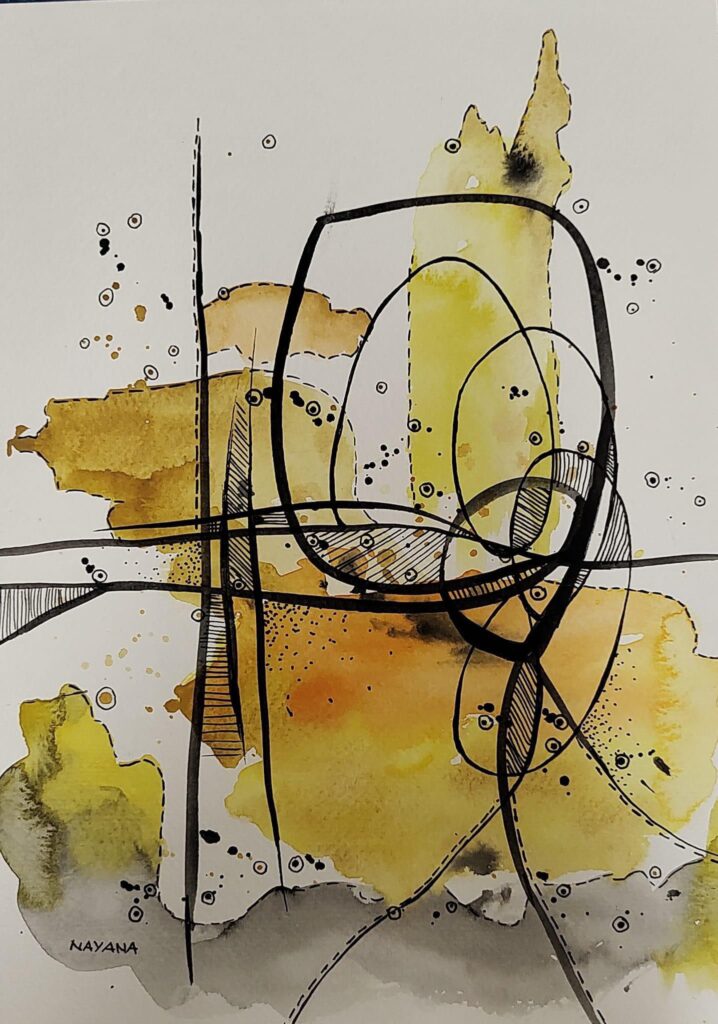
Art, in its most profound form, is not merely an act of creation but a reflection of the human spirit. It serves as a conduit through which emotions, both raw and refined, are expressed and interpreted. The mood of an artwork significantly influences our perception and connects with us on deeper emotional levels. Understanding the synergy between mood and artistic masterpieces can provide us with greater insight into both the art and ourselves.
## The Essence of Mood in Art
Mood in art refers to the general atmosphere or emotional tone conveyed by a piece. This can be achieved through various elements such as color, light, texture, and composition. Each component works harmoniously to evoke specific feelings and reactions from the viewer. For instance, a painting with dark hues and heavy brushstrokes might convey melancholy or turmoil, while bright colors and light strokes could evoke feelings of joy and lightness.
Artists often use mood as a strategic tool to communicate deeper messages or to provoke thought. It is this emotional layer that transforms a painting, sculpture, or photograph from a mere depiction into a resonant masterpiece that can move its audience.
## How Artists Harness Mood
Artists manipulate mood through meticulous choices in their use of materials and techniques. Consider the Impressionists, who revolutionized the art world by capturing moments laden with atmospheric effects and varied moods. Claude Monet’s series of Water Lilies, for instance, immerses the viewer in tranquility through soft color transitions and reflective waters.
In contrast, the Expressionists relied on exaggerated perspectives and intense color contrasts to depict emotional extremes and unsettle the viewer, effectively conveying the turmoil and anxieties of the 20th century.
## Masterpieces Defined by Mood
Certain artworks are eternally engraved in the collective memory of humanity, not just for their technical prowess but for the moods they encapsulate. Vincent van Gogh’s “Starry Night” is a prime example. The swirling skies, vibrant stars, and serene village combine to create a deeply emotional and somewhat mystical atmosphere. This painting goes beyond depicting a night scene; it expresses van Gogh’s internal struggles and his awe towards the universe.
Another example is Edward Hopper’s “Nighthawks,” which perfectly captures the mood of urban isolation and nocturnal introspection through its depiction of individuals in a downtown diner at night. The lack of interaction among the figures and the stark contrasts of light and shadow enhance the silent narrative of loneliness and contemplation.
## The Viewer’s Role in Art and Mood
The interpretation of mood in art is subjective, influenced by the viewer’s personal experiences, cultural background, and emotional state. This subjectivity is what makes art so universal and yet so personal. As viewers, we bring our own perceptions and emotions to the artwork, which in turn can change our interpretation of the mood it conveys.
Engaging with art requires an open heart and an empathetic mind. By attempting to understand the mood of a piece, we not only gain insight into the artist’s emotional landscape but also delve into our own internal worlds.
## Conclusion
The profound connection between mood and masterpieces in art illustrates the power of visual media to evoke and communicate emotion. As both creators and connoisseurs of art, recognizing and appreciating these emotional undertones enhances our experience and interpretation of artworks. Whether you are an artist striving to express a specific mood or a viewer seeking to connect with a piece, understanding the emotional layers behind a masterpiece can lead to a more enriching and profound appreciation of art.